6 Smart Things to Do
Before Your Joint Surgery
|
| |
|
|
In the weeks before joint replacement surgery, you’ll want to ensure that you’re as healthy as possible for the procedure. Six things, in particular, are important to start dealing with now:
|
| |
|
1. Contact your health insurer.
|
| |
|
|
Your surgeon’s office will verify whether your insurer covers your joint replacement, the surgeon and any related tests or screenings at our outpatient facility. But as the patient, you’ll want to know about the co-pay, deductible and other out-of-pocket expenses you may have to pay (beyond what is covered). Call your insurer—before surgery—for the answers.
|
| |
|
2. Check in with your primary healthcare provider.
|
| |
|
|
You’ll want to make sure you’re up to date on all of your vaccines, including for pneumonia and the flu (to prevent illness before and in the months after your surgery).
Your doctor may recommend that you come in for a complete physical, which can be shared with your surgeon, to make sure you’re healthy enough for a hip or knee replacement and to help deal with any conditions that could interfere with a successful surgery and recovery.
If you have diabetes and take insulin, or take blood thinning or other medications for other serious health conditions, talk with your primary physician and your surgeon about managing these as you approach your surgery date. You may be advised to stop taking certain medications and supplements (or to start taking substitutes for them) 1-2 weeks before surgery.
|
| |
|
|
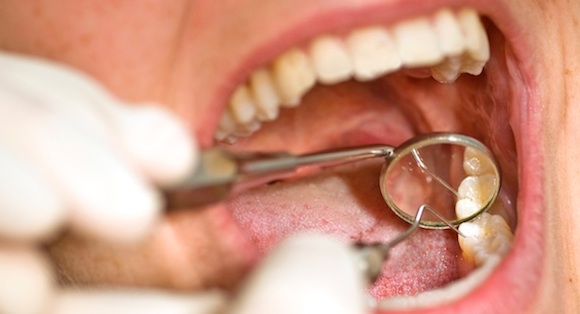
You may want to have a dental exam and take care of any dental work you need 2-4 weeks before surgery. There is a small risk of bacteria entering your bloodstream during dental procedures, and this could lead to infection in a new joint if the dental work occurred too close to your surgery date.
After joint replacement surgery, though no longer universally recommended, some surgeons prescribe an antibiotic to patients before they undergo certain dental procedures—to avoid that low risk of infection. Check with your surgeon on whether this will be necessary.
|
| |
|
4. Get to a healthy weight.
|
| |
|
|
If you’re significantly overweight, try to shed some excess pounds. Extra weight puts stress on your joint, and it’s best to avoid putting that with a new joint.
Also, patients with obesity are at higher risk for breathing difficulties during and after surgery, and poor wound healing, blood clots and infection after surgery.
-
Ask your surgeon or primary care provider about a healthy weight for your body and how to get there.
-
Eat a healthy diet low in sugar, fat and processed foods to help with weight loss and prepare your body for surgery and recovery.
|
| |
|
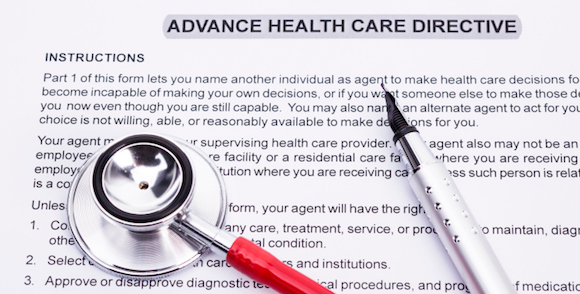
5. Fill out an advance healthcare directive.
|
| |
|
|
In the weeks leading up to your surgery, you’ll likely be asked if you have an advance healthcare directive. This is a document that allows you to specify the medical care you would want if you were too ill or hurt to express your wishes. Learn more about advance directives.
|
| |
|
|
Smokers undergoing surgery have twice the risk of infection of nonsmokers and their bones take almost twice as long to heal.
The American College of Surgeons reports that quitting smoking 4-6 weeks before surgery and staying smoke-free for 4 weeks post-op can decrease your rate of wound complications by 50%. Quitting permanently has been proven to add years to your life.
If you’re still smoking within a couple weeks of surgery, your procedure may need to be canceled. Plus, our hospital is a non-smoking facility; you will not be able to smoke here.
We can help you stop smoking. Ask your doctor about techniques and strategies for quitting. Check out Smokefree.gov for all the latest resources.
|
| |
|
|
This service is not intended to provide individual medical advice, which should only be obtained directly from a qualified physician or healthcare professional. Your personal information will never be used for any purpose other than to help educate and support you. You may opt out at any time with no effect to the delivery of your care or health benefits.
|
| |
|
|
|